


About Us
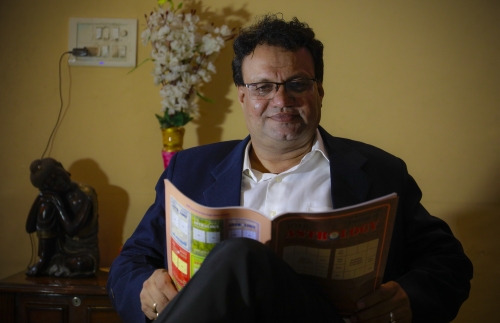
About the expert Astrologers We are a team of Vedic Astrologers with in-depth learning passed on to us over the ages from our forefathers and seers. The Rishi’s and Mahatma’s have kept the knowledge alive by passing it on in an intuitive way to the deserving. The learning has been in the domain of Vedic Astrology and its various forms and practices. Vast knowledge and Gold Medalist of Vedic Astrology, Vedic scriptures and rituals put a lot of quality into the products and se...
Read More
1
Jan
Vastu
Vastu in Sanskrit means nature , a surrounding or environment. The word “Vastu” came from Vasthu ,...

1
Jan
Vedic Karmkand
In Tantra, worship of Devi-Shakti is referred to as a Vidya. Of the hundreds of tantrik practice...
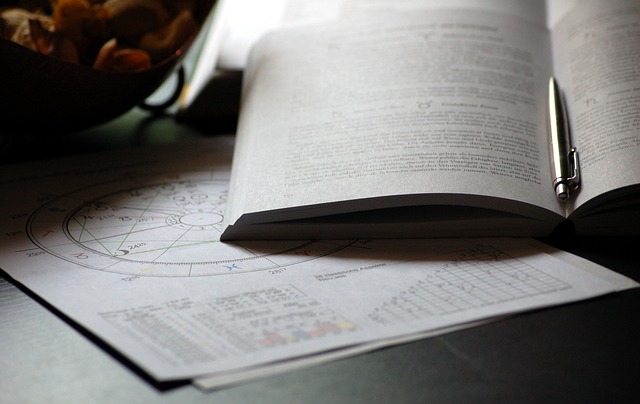

Annual Forecast – Varshphal
Detailed Annual Forecast - Vasrshphal Annual forecast in Indian Vedic Astrology known as Varshphal., Annual horoscope (Varshphal) is constructed for a year when the Sun returns to same sign and degre...
Read More
Career and Wealth Analysis
Detailed Career and Wealth Analysis Every business requires a specific skill set and not everyone can succeed in every kind of businesses. Its better to confirm & verify your suitable businesse...
Read More
Health & Well-being Report
Detailed Health and Well being Report Being healthy is of prime importance in life. No doubt money is important, but your health is even more valuable. Everyday, your ability to go to work - waking u...
Read More
Relationship and Marriage Analysis
Detailed Relationship and Marriage Analysis Marriage is a huge responsibility not only for the couple in question but also for the families involved. It is important the couple be compatible with eac...
Read More